
Developer Use Cases
Practical ways developers use AI APIs to solve real product and engineering problems. This category covers automation, coding workflows, model integration, AI agents, content generation, data processing, and other hands-on examples that show how AI can fit into modern applications.
Best Voice Cloning API for Developers in 2026
Compare the best voice cloning API options for text to speech, voice quality, instant voice cloning, voice IDs, and voice models
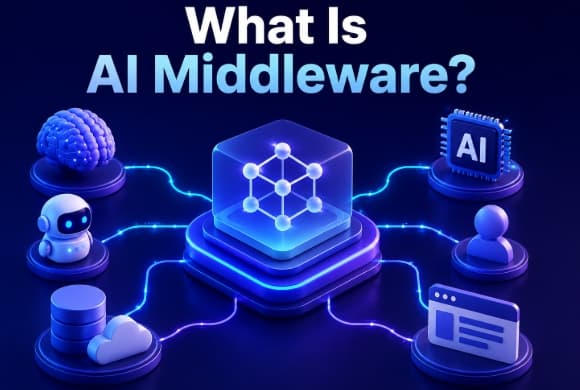
What Is AI Middleware? How It Connects AI Models, Agents, and Applications
AI middleware connects AI models, AI agents, applications, APIs, and enterprise systems. Understand its architecture, key components, routing, security, orchestration, observability, and AI integration.
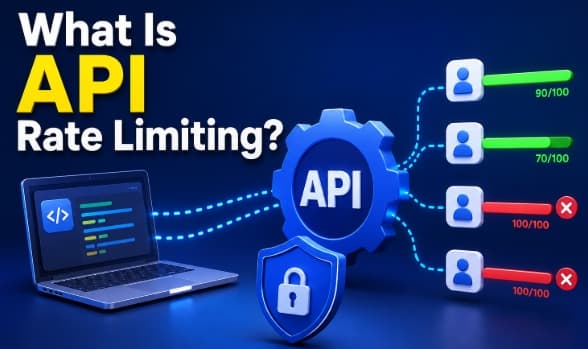
What Is API Rate Limiting? How It Works and Why APIs Need It
Understand API rate limiting, how rate limits work, common algorithms, HTTP 429 errors, API throttling, and best practices for controlling traffic and improving API performance.
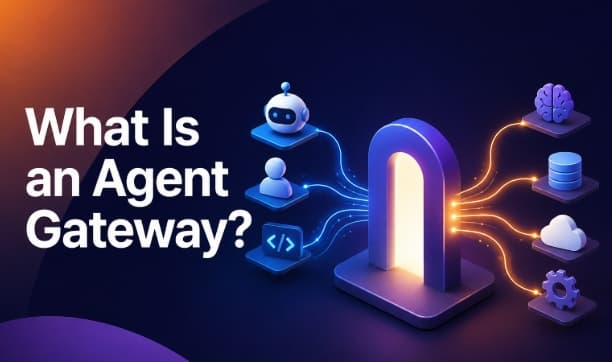
Agent Gateway: How It Connects AI Agents to Models and Tools
Agent gateway architecture explained, including how AI agents connect to models, APIs, and external tools, with model routing, security, and enterprise deployment best practices.
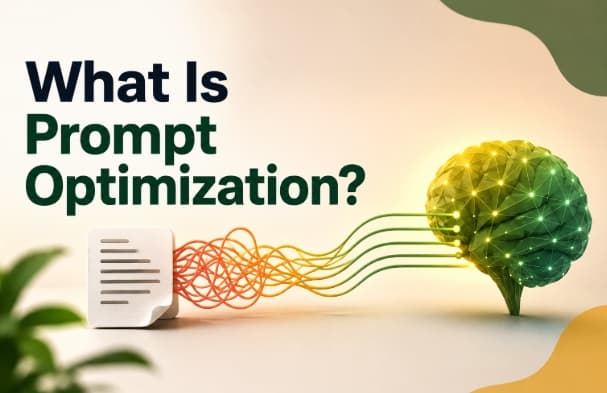
What Is Prompt Optimization? A Practical Guide to Better AI Results
What is prompt optimization? Improve AI-generated content with proven prompt optimization techniques, prompt evaluation methods, practical examples, common mistakes to avoid, and tools for testing prompts across leading AI models.
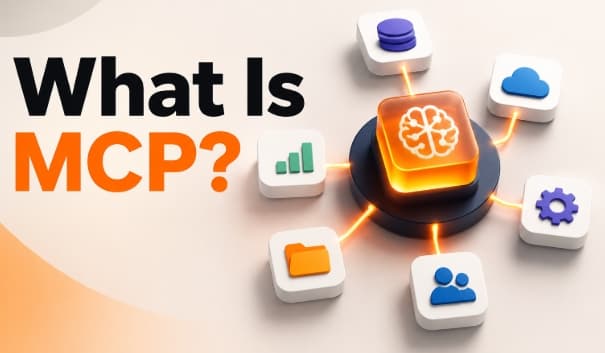
What Is MCP? Practical Ways to Understand the Model Context Protocol
What is MCP? The Model Context Protocol provides a standard way for AI applications to connect with external tools, services, and live data, making integrations simpler, faster, and easier to scale.
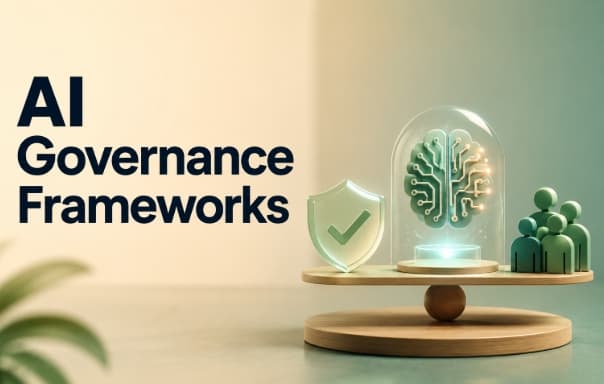
AI Governance Frameworks: How Organizations Keep AI Accountable
AI governance frameworks help organizations establish clear policies, accountability, and oversight for AI systems. This guide explains the core components of an effective framework, compares leading governance standards, outlines implementation steps, highlights common challenges, and examines the tools organizations use to manage AI responsibly at scale.
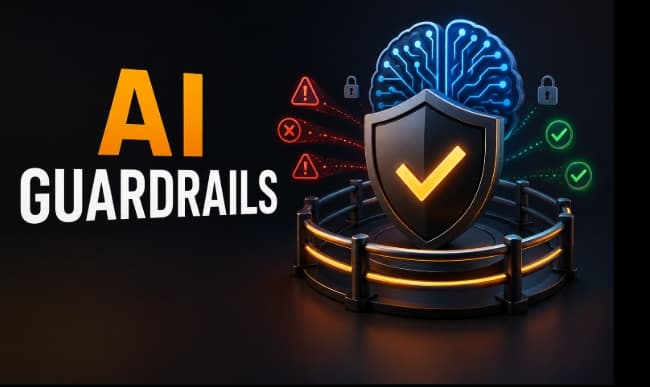
AI Guardrails: Safety Controls for Large Language Models and Reliable AI Systems
AI Guardrails add runtime protection to large language models through input filtering, output validation, and tool restrictions, improving AI safety, reliability, and risk management.
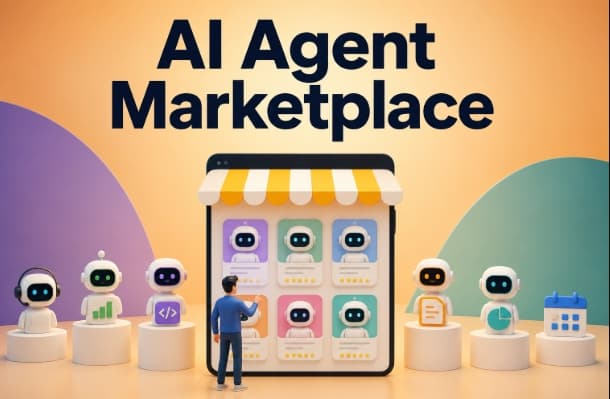
AI Agent Marketplace: Why Businesses Are Adopting Them
An AI agent marketplace helps businesses deploy ready-to-use AI solutions without building every application from scratch. This article explains how AI agent marketplaces work, why organizations are adopting them, their key business benefits, common use cases, challenges to consider, and the features to evaluate before choosing a platform.